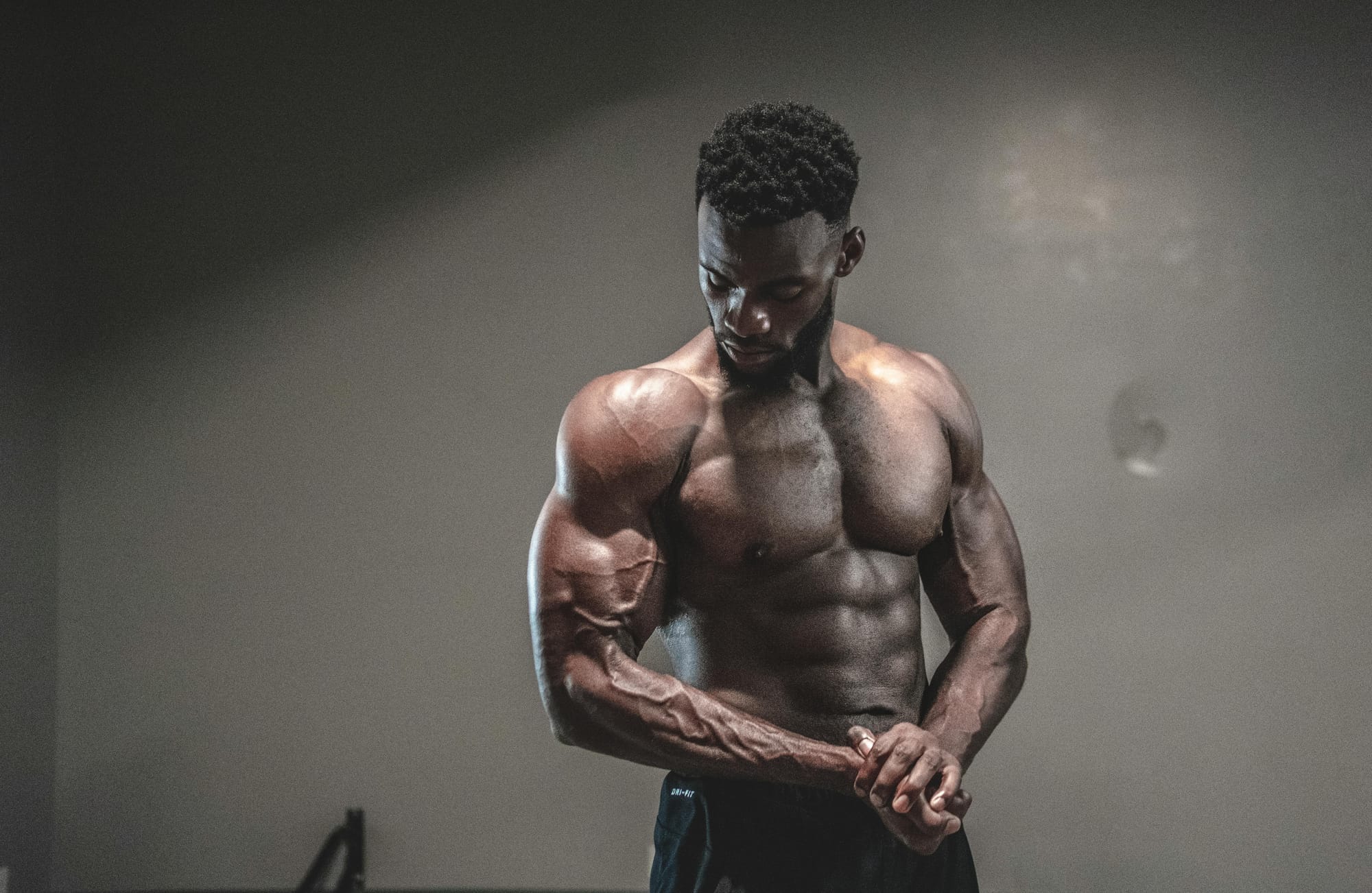
Unlock Your Strength: The Ultimate Guide to Effective Forearm Workouts

If you’re looking to build grip strength and improve your overall performance, forearm workouts are essential. Strong forearms not only enhance your lifting capabilities but also play a significant role in daily activities, from carrying groceries to participating in sports. In this guide, we’ll explore effective exercises and tips to incorporate forearm workouts into your routine, helping you achieve your fitness goals without needing fancy equipment. Let’s get started on the path to stronger forearms!
Key Takeaways
- Focus on key exercises like wrist curls and hammer curls to build forearm strength.
- Incorporate forearm workouts into your routine by timing them effectively with upper body exercises.
- Track your progress to stay motivated and adjust your workouts as needed.
- Avoid common mistakes like neglecting recovery and improper form to maximize your training.
- Strong forearms contribute to better performance in sports and everyday tasks.
Understanding Forearm Anatomy
Muscle Groups Involved
Okay, so when we talk about forearm anatomy, we're really talking about a bunch of different muscles all working together. You've got the flexors on the palm side, which help you bend your wrist and fingers. Then there are the extensors on the back of your forearm, responsible for straightening your wrist and fingers. And let's not forget the brachioradialis, which is a big player in elbow flexion. Understanding these muscle groups is key to targeting them effectively in your workouts.
- Flexor Carpi Ulnaris
- Extensor Carpi Radialis Longus
- Brachioradialis
Importance of Grip Strength
Grip strength is way more important than people think. It's not just about crushing a handshake; it's about how well you can hold onto things, whether it's a barbell, a rock climbing hold, or even just a grocery bag. A strong grip translates to better performance in a ton of exercises and everyday tasks. Plus, it's a good indicator of overall health. Seriously, don't neglect your grip!
Functional Benefits of Strong Forearms
Strong forearms aren't just for show; they have real-world benefits. Think about it: everything from opening a jar to carrying heavy objects relies on forearm strength. Plus, strong forearms can help prevent injuries by stabilizing your wrists and elbows. So, working on your forearms isn't just about aesthetics; it's about improving your daily functionality.
Having strong forearms can make a huge difference in your life. It's about being able to do things without struggling, whether it's at the gym or in your everyday routine. It's a small investment that pays off big time.
Essential Forearm Workouts
Time to get into the meat of it – the actual exercises you can do to build those forearms. You don't need a fancy gym or a ton of equipment for these. A few dumbbells and some dedication are all you need. Let's get started!
Wrist Curls for Flexor Strength
Wrist curls are a classic for a reason. They directly target the flexor muscles on the underside of your forearm, which are responsible for grip strength and wrist flexion. Here's how to do them right:
- Sit on a bench with your forearms resting on your thighs, wrists extending over your knees. Hold a dumbbell in each hand, palms facing up.
- Slowly curl your wrists upward, squeezing your forearm muscles at the top.
- Lower the weight back down slowly, feeling the stretch in your forearms.
- Repeat for the desired number of reps. Aim for 3 sets of 12-15 reps to start. Remember, slow and controlled movements are key. You want to feel the burn, not just swing the weight. Focus on forearm strength exercises to enhance your workout.
Reverse Wrist Curls for Extensor Development
Don't neglect the other side of your forearm! Reverse wrist curls target the extensor muscles on the top of your forearm. These muscles are important for wrist extension and overall forearm balance. Here's how to do them:
- Sit on a bench with your forearms resting on your thighs, wrists extending over your knees. Hold a dumbbell in each hand, palms facing down.
- Slowly curl your wrists upward, squeezing your forearm muscles at the top.
- Lower the weight back down slowly, feeling the stretch in your forearms.
- Repeat for the desired number of reps. Again, aim for 3 sets of 12-15 reps. These are great for injury prevention, especially if you do a lot of typing or other repetitive hand movements.
Hammer Curls for Overall Mass
Hammer curls are typically thought of as a bicep exercise, but they also hit the brachioradialis muscle in your forearm, which contributes to overall forearm mass. This exercise is a great way to build overall mass and strength in your forearms. Here's how to do them:
- Stand with your feet shoulder-width apart, holding a dumbbell in each hand, palms facing your body (like you're holding a hammer).
- Keeping your elbows close to your body, curl the weights up towards your shoulders.
- Lower the weights back down slowly, maintaining control.
- Repeat for the desired number of reps. Aim for 3 sets of 10-12 reps. Hammer curls are a great addition to any arm workout, and they'll definitely help you build bigger, stronger forearms.
Remember to always use proper form and start with a weight that challenges you without compromising your technique. As you get stronger, you can gradually increase the weight to continue making progress.
Incorporating Forearm Workouts Into Your Routine
It's time to figure out how to actually fit forearm workouts into your current exercise plan. It's not as hard as you might think, and there are a few different ways to approach it, depending on your goals and schedule.
Timing Your Workouts
When should you actually do these forearm exercises? Well, there are a couple of schools of thought. Some people like to tack them onto the end of their regular upper body days. The idea is that your forearms are already warmed up, and you can just finish them off with a few sets of wrist curls or something similar. Others prefer to do them on their own day, especially if they're really trying to focus on forearm strength. There's no single right answer; it really depends on what works best for you and your body.
Combining with Upper Body Exercises
One popular approach is to simply add forearm exercises to your existing upper body routine. For example, after you finish your bicep curls and tricep extensions, you could throw in a few sets of wrist curls and reverse wrist curls. This is a pretty efficient way to train, and it doesn't require you to spend a ton of extra time in the gym. Just make sure you're not overdoing it – you don't want to be so fatigued that you can't properly perform the exercises.
Dedicated Forearm Training Days
If you're serious about building bigger, stronger forearms, you might want to consider dedicating an entire workout day to them. This allows you to really focus on hitting all the different forearm muscles, and it gives you the opportunity to try out some more advanced exercises. Plus, it can be a nice change of pace from your regular routine. Here's a sample split:
- Monday: Chest and Triceps
- Tuesday: Back and Biceps
- Wednesday: Legs
- Thursday: Shoulders and Forearms
- Friday: Rest
- Saturday: Full Body
- Sunday: Rest
It's important to listen to your body and adjust your training schedule as needed. If you're feeling sore or fatigued, don't be afraid to take a rest day. Overtraining can actually hinder your progress, so it's better to err on the side of caution.
Progressing Your Forearm Workouts
It's easy to get stuck in a rut, doing the same exercises with the same weight. But to really see progress, you need to keep challenging your forearms. Here's how to do it.
Increasing Weight and Reps
This is the most straightforward way to progress. The goal is to gradually increase the weight you're lifting or the number of reps you're performing. Start by adding a small amount of weight each week, even just a pound or two. If you can't add weight, try increasing your reps by one or two per set. Keep a log of your workouts so you can track your progress and see how far you've come. This will help you stay motivated and ensure you're consistently pushing yourself.
Adding Variations to Exercises
Your muscles adapt quickly, so it's important to introduce new challenges. Try different variations of your favorite forearm exercises. For example, instead of doing standard wrist curls, try doing them with a pronated (palms down) grip or a supinated (palms up) grip. You could also try doing reverse wrist curls with a wider grip or a narrower grip. These small changes can make a big difference in how your forearms respond. You can also try exercises like hammer curls for overall mass.
Utilizing Equipment for Enhanced Training
There's a lot of cool equipment out there that can help you take your forearm training to the next level. Wrist rollers are great for building strength and endurance. Grip strengtheners, like hand grippers or stress balls, can help improve your grip strength. You can also use resistance bands to add extra resistance to your exercises. Experiment with different equipment to find what works best for you.
Don't be afraid to experiment and try new things. The key is to find what works best for your body and your goals. Listen to your body and don't push yourself too hard, especially when you're first starting out. Remember, consistency is key. Stick with it, and you'll see results over time.
Common Mistakes in Forearm Training
It's easy to get excited and jump into forearm workouts, but like any training, there are pitfalls to avoid. Let's look at some common mistakes that can hinder your progress and even lead to injury.
Neglecting Recovery
Forearms are smaller muscles, but they work hard! They're involved in almost every upper body exercise, so they need time to recover. Not giving them enough rest can lead to overtraining and stalled progress. Make sure you're getting enough sleep and proper nutrition to support muscle repair.
- Prioritize sleep: Aim for 7-9 hours of quality sleep each night.
- Eat a balanced diet: Focus on protein, complex carbs, and healthy fats.
- Consider active recovery: Light cardio or stretching can improve blood flow and reduce soreness.
Ignoring Form and Technique
Using improper form is a surefire way to get hurt and limit your gains. It's better to use lighter weight with perfect form than to heave heavy weight with bad technique. This is especially true for smaller muscle groups like the forearms. Proper technique is essential for effective workouts.
- Focus on controlled movements: Avoid jerking or using momentum.
- Use a full range of motion: Extend and contract the muscles fully.
- Watch videos and get feedback: Make sure you're performing the exercises correctly.
Overtraining and Its Effects
Overtraining is a real issue, especially with forearms. Because they assist in so many other exercises, it's easy to work them too much without realizing it. This can lead to fatigue, decreased performance, and even injury. Listen to your body and don't be afraid to take rest days.
Overtraining can manifest in several ways: persistent muscle soreness, decreased strength, fatigue, and even mood changes. It's important to recognize these signs and adjust your training accordingly. Don't push through pain; instead, prioritize rest and recovery.
Here's a simple guide to help you avoid overtraining:
| Symptom | Possible Cause | Solution |
|---|---|---|
| Persistent Soreness | Insufficient Recovery | Reduce volume, increase rest, active recovery |
| Decreased Strength | Overtraining | Rest, deload week |
| Fatigue | Lack of Sleep/Nutrition | Improve sleep, adjust diet |
Benefits of Strong Forearms Beyond Aesthetics
Improved Performance in Sports
Strong forearms translate directly to better performance in a variety of sports. Think about tennis, where a solid wrist can make all the difference in your serve. Or consider rock climbing, where grip endurance is absolutely essential. Even in sports like basketball or baseball, forearm strength contributes to better ball control and throwing power. It's not just about looking good; it's about performing better.
Enhanced Daily Functionality
Beyond the gym and the sports field, strong forearms make everyday tasks easier. Carrying groceries? No problem. Opening jars? A breeze. Working in the garden? You'll have more stamina. It's amazing how much we rely on our forearms for simple, daily activities.
- Improved grip for carrying heavy items.
- Increased wrist stability for typing and computer work.
- Greater hand strength for tasks requiring fine motor skills.
Having strong forearms can significantly improve your quality of life. It's about being able to do things without struggling, and that makes a big difference.
Injury Prevention and Joint Stability
Strong forearms contribute to the stability of your wrist and elbow joints. This can help prevent injuries, especially if you're involved in activities that put stress on these areas. Strengthening the muscles around the joints provides support and reduces the risk of strains and sprains. Think of it as building a protective shield around your joints. Regular forearm exercises can help fortify the connective tissues, offering better protection against potential injuries. It's a proactive way to build forearm strength and maintain long-term joint health.
Tracking Your Forearm Workout Progress
It's easy to get lost in the day-to-day grind of working out and forget to actually check if you're making progress. But trust me, keeping track of your forearm workouts is super important. It's not just about seeing bigger muscles; it's about understanding what works for you and staying motivated. Let's get into how to do it right.
Using Workout Logs
Okay, so workout logs might sound a bit old-school, but they're seriously effective. I've tried a bunch of fancy apps, but sometimes, just writing things down in a notebook is the best way to go. Here's what I usually track:
- Date and time of the workout
- Exercises performed
- Weight used for each set
- Number of reps completed
- How the exercise felt (easy, challenging, super hard)
The key is consistency. Jotting down this info after each workout helps you see patterns and make smart adjustments. For example, if you notice you're consistently struggling with reverse wrist curls at a certain weight, you might need to adjust your approach.
Setting Realistic Goals
Setting goals is a must, but they need to be realistic. Don't aim to double your weight in a week – that's just asking for an injury. Instead, think about small, achievable steps. Here are some examples:
- Increase weight by 2.5 lbs each week for wrist curls.
- Add one extra rep to each set of hammer curls every other workout.
- Maintain consistent form throughout all exercises for a month.
Realistic goals keep you motivated and prevent burnout. It's way better to consistently hit small targets than to set huge goals and get discouraged when you don't reach them. Plus, celebrating those small wins keeps you going.
Evaluating Strength Gains Over Time
This is where all that tracking pays off. After a few weeks or months, take some time to look back at your workout logs. What do you see? Are you consistently increasing weight? Are you able to do more reps with good form? This is how you know you're actually getting stronger. Here's what I look for:
- Increased weight lifted for each exercise
- More reps completed at the same weight
- Improved form and control during exercises
- Reduced fatigue after workouts
| Exercise | Starting Weight | Current Weight | Improvement | Date Started | Date Evaluated |
|---|---|---|---|---|---|
| Wrist Curls | 20 lbs | 30 lbs | 50% | 1/1/2025 | 3/18/2025 |
| Reverse Wrist Curls | 15 lbs | 20 lbs | 33% | 1/1/2025 | 3/18/2025 |
| Hammer Curls | 25 lbs | 35 lbs | 40% | 1/1/2025 | 3/18/2025 |
If you're not seeing the gains you want, don't get discouraged. It just means you need to tweak your approach. Maybe you need to adjust your diet, get more sleep, or try different forearm workouts. The point is, tracking your progress gives you the data you need to make informed decisions and keep moving forward.
Wrapping It Up
So, there you have it! Strengthening your forearms is about more than just muscle; it’s about making everyday tasks easier and boosting your performance in sports. Strong forearms can help you grip better, stabilize your arms, and even make you look good while doing it. As you start adding these exercises to your routine, remember to take it slow and gradually increase the challenge. Keep track of your progress, too—it’s a great way to stay motivated. And as your forearms get stronger, you’ll likely notice improvements in other workouts as well. So, get out there, put in the work, and let those forearms show off what you can achieve. Don’t forget to share your journey with us; we’d love to hear how you’re doing!
Frequently Asked Questions
What muscles are in the forearm?
The forearm has several important muscles, mainly the flexors and extensors. The flexors help bend your wrist and fingers, while the extensors help straighten them.
Why is grip strength important?
Grip strength is important because it helps you perform everyday tasks like carrying groceries, playing sports, and lifting weights. Strong grip also supports your overall strength.
How can I include forearm workouts in my routine?
You can add forearm exercises to your regular upper body workouts or set aside specific days just for forearm training. They can be done at the end of your workout.
How do I make my forearm workouts harder?
To make your workouts tougher, you can lift heavier weights, do more repetitions, or try different exercises. Using tools like grip trainers can also help.
What mistakes should I avoid when training my forearms?
Common mistakes include not giving your muscles enough time to recover, using poor form during exercises, and training too much without breaks.
What are the benefits of strong forearms?
Strong forearms help you perform better in sports, make daily tasks easier, and reduce the risk of injuries. They also improve your overall arm strength and appearance.